Contents
- The Basics of IT Support for E-commerce Sites
- Types of IT Support and Specific Services
- Key Technical Requirements and Integrations
- Site Security and FortiGate Firewall Solutions
- Legal standards and obligations for e-commerce
- Common Mistakes and Best Practices in IT Support
Key points
| Point | Details |
|---|---|
| The Role of IT Support | IT support is crucial for the stability of e-commerce sites, ensuring continuous operation and improving the user experience. |
| Proactive Approach | Proactive IT support minimizes the risk of downtime and losses, including real-time monitoring and rapid problem resolution. |
| Legal Standards | Understanding legal frameworks is essential for protecting consumer interests and ensuring regulatory compliance. |
| Common Mistakes | Establishing a systematic approach and continuous training are the keys to preventing errors in IT support. |
IT Support Basics for E-commerce Sites
IT support for e-commerce sites is a critical component of modern digital business, ensuring the stability and continuity of online sales platforms. The technical infrastructure is the foundation of any successful e-commerce business, directly impacting performance, security, and the user experience. Effective IT support involves several key elements:- Continuous system monitoring
- Proactive management of security threats
- Prompt response to potential issues
- Network Infrastructure Optimization
- Regularly updating software components
| Approach to IT Support | Reacting to problems | Ensuring continuity | Downtime Prevention |
|---|---|---|---|
| Traditional | Reactive, after an incident | Occasional, no guarantees | Risk of revenue loss |
| Proactive | In real time, predictive | Continuously, with automation | Minimized risk, rapid intervention |
Types of IT Support and Specific Services
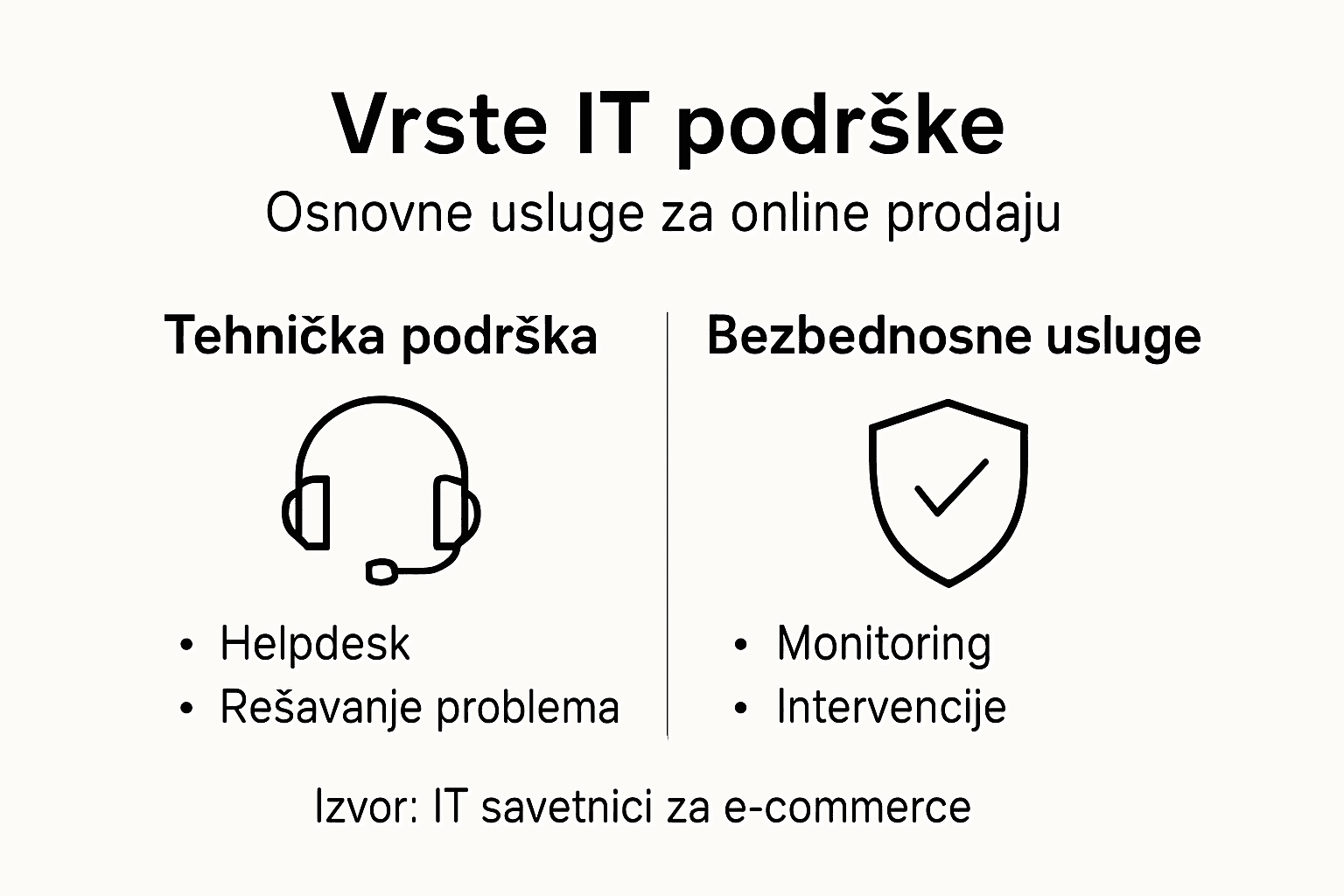
IT support for e-commerce sites encompasses a comprehensive range of services designed to ensure the seamless and secure operation of digital business platforms. Technical services are structured in multiple tiers to efficiently address various system challenges. Key types of IT support include:- User Helpdesk
- Network Monitoring
- Security Incident Response
- Software Maintenance
- Rapid troubleshooting
- Backup and disaster recovery
 Pro-tip:
Choose IT support that offers 24/7 monitoring and fast response times for critical systems to minimize potential losses.
Pro-tip:
Choose IT support that offers 24/7 monitoring and fast response times for critical systems to minimize potential losses.
Key Technical Requirements and Integrations
E-commerce platforms require a complex technical infrastructure that ensures efficient and secure operations. Technical requirements are a critical component for the successful functioning of digital sales channels, enabling seamless and reliable system operation. Key technical requirements include:- Product Catalog Management
- Integrated marketing tools
- Reliable logistics modules
- Secure payment gateways
- API integrations with business systems
- Automated order processes
Website Security and FortiGate Firewall Solutions
The security of e-commerce platforms is a critical component for protecting digital business resources. Network security encompasses complex strategies that prevent unauthorized access and potential cyber threats that could compromise the business. Key elements of security protection include:- Multi-layered network protection
- Constant monitoring of network traffic
- Rapid threat detection and mitigation
- Network zone segmentation
- Automated security protocols
- Complex authentication
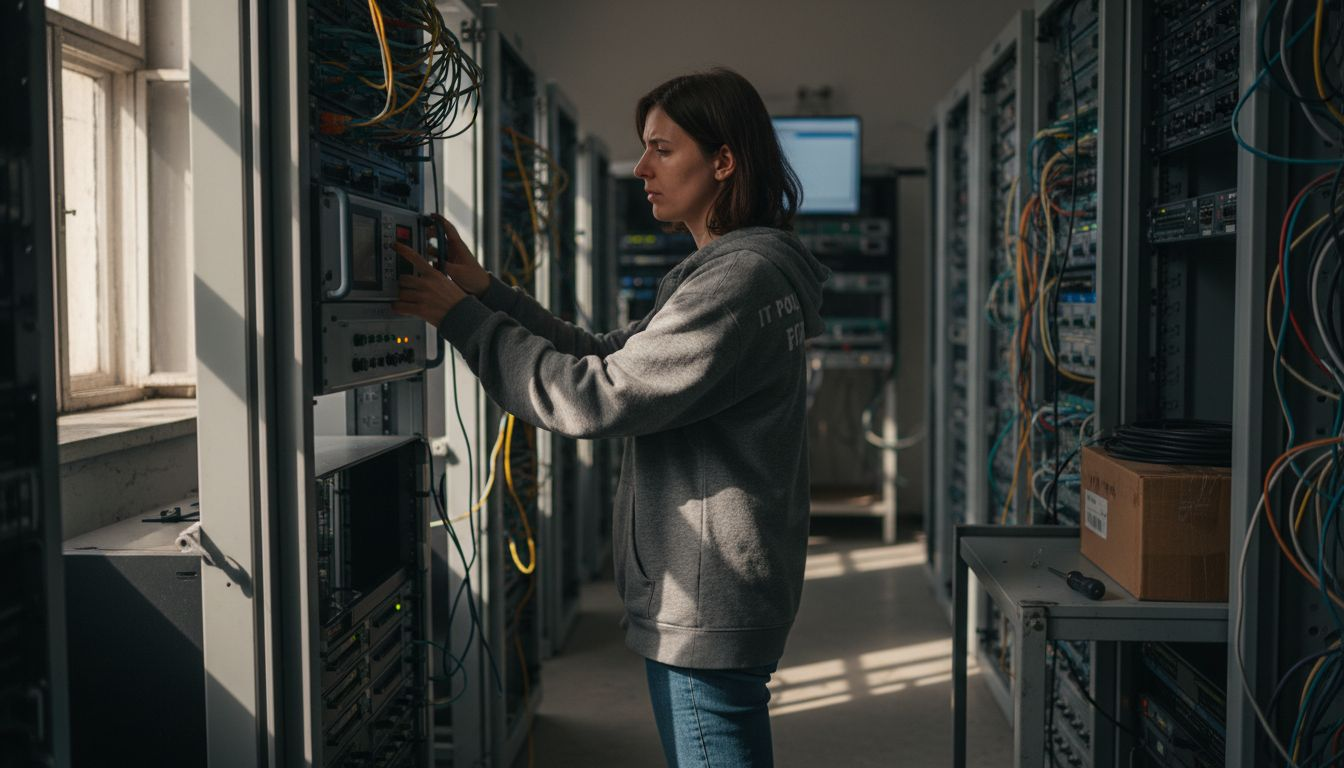 Modern firewall systems are no longer passive filters but active security mechanisms that use artificial intelligence to recognize and prevent sophisticated cyberattacks. The implementation of modern security solutions requires a strategic assessment of the specific needs of each e-commerce system and the continuous optimization of protective mechanisms.
Pro-tip:
Conduct regular security audits and update firewall configurations at least twice a year to stay one step ahead of potential security risks.
Modern firewall systems are no longer passive filters but active security mechanisms that use artificial intelligence to recognize and prevent sophisticated cyberattacks. The implementation of modern security solutions requires a strategic assessment of the specific needs of each e-commerce system and the continuous optimization of protective mechanisms.
Pro-tip:
Conduct regular security audits and update firewall configurations at least twice a year to stay one step ahead of potential security risks.
Legal standards and obligations for e-commerce
E-commerce operations require a complex understanding of the legal frameworks that regulate digital transactions. Legal standards are a key mechanism for protecting the interests of consumers and businesses in the online environment. The fundamental elements of e-commerce legal regulation include:- Protection of user personal data
- Transparency of contractual terms
- Clear advertising rules
- Complaint mechanisms
- Standards for electronic contracting
- Payment transaction security
| Legal Area | What it covers | Business Significance |
|---|---|---|
| Privacy Protection | GDPR, customer data retention | Maintaining Trust |
| E-contracting | Clear terms and procedures | Legal certainty |
| Complaints and Returns | Standardized mechanisms | Increased satisfaction |
| Transaction transparency | Clearly displayed costs | Reducing disputes |
Common Mistakes and Best Practices in IT Support
IT support for e-commerce platforms requires a careful and proactive approach that minimizes risks and maximizes the performance of the digital business. Technical challenges present a complex network of potential issues that can compromise the stability and credibility of the online sales system. Common mistakes in IT support include:- Slow response to issues
- Failure to apply regular security updates
- Inadequate system monitoring
- Lack of backup strategies
- Lack of continuous team training
- Ignoring user feedback
Ensure the stability and growth of your e-commerce business with professional IT support.
Every e-commerce site faces challenges related to security, technical efficiency, and continuous growth. Common obstacles such as inadequate protection against hackers, slow systems, or unexpected downtime can jeopardize user trust and financial gain. That's why comprehensive IT support is essential, covering FortiGate firewall configurations, emergency cybersecurity interventions, and reliable backup systems. Take the opportunity to enhance your business with a certified expert who has years of experience in developing and securing WordPress sites and IT infrastructure. Check out our Cybersecurity services that protect your platform 24/7 and visit the Website Development page - igorsebesic.com for fast and secure website development. Don't let technical issues slow down your growth. Contact us now at igorsebesic.com and take the first step towards secure and efficient business operations today.